
Nanchang Travel Guide: A 4-Day Itinerary for First-Time Visitors
Nanchang, the capital of Jiangxi Province, is a city where history, culture, and local cuisine come together. It is best known for the iconic Tengwang Pavilion, the famous August 1st Uprising, and its spicy Gan cuisine. Although many travelers only use Nanchang as a transit city, spending three to four days here will allow you to discover historic landmarks, museums, beautiful riverside scenery, and plenty of authentic local food.
This itinerary is based on a well-paced four-day trip, covering the city's must-see attractions, local restaurants, and practical travel tips to help you make the most of your visit.
4-Day Nanchang Itinerary
Day 1 – Haihunhou Museum & Autumn Water Square
Noon: Arrive in Nanchang and head directly to the Haihunhou Museum. Taking a taxi is usually the fastest and most convenient option from the airport.
Highlights:
- The famous gold artifacts discovered in the tomb.
- The statue of Confucius.
- The Western Han Marquis of Haihun archaeological site.
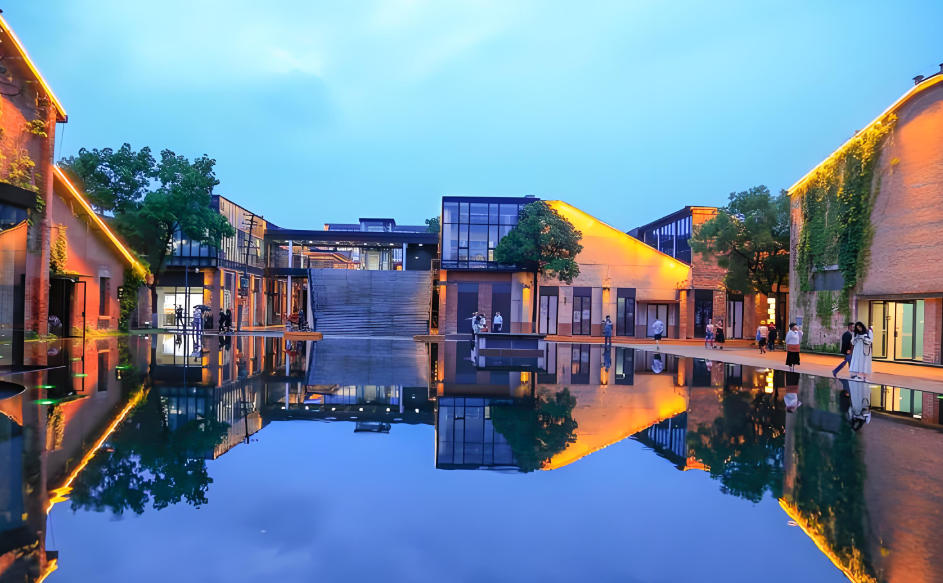
Evening: Check into your hotel near Autumn Water Square (Qiushui Square), where you'll have easy access to the city's modern riverside district.
7:00 PM: Don't miss the famous Qiushui Square Musical Fountain Show. The spectacular water jets and colorful lights make it one of Nanchang's most popular nighttime attractions.
Day 2 – Historic Nanchang
Morning:
- Dashiyuan Food Street
- Traditional Bubble Soup Dumplings
- Nanchang Sugar Cake
- Xiying Rice Wine
After breakfast, visit the August 1st Nanchang Uprising Memorial Museum. Both the old and new exhibition halls are worth exploring, and volunteer guides are available to provide free introductions. Before leaving, browse the museum shop for locally themed souvenirs.
Afternoon:
Continue to Wanshou Palace Historic & Cultural Block, one of the oldest neighborhoods in Nanchang. Besides the historic temple dedicated to Xu Xun, you'll find traditional Jiangxi architecture, boutique shops, tea houses, and plenty of local snacks.
Later, visit the iconic Tengwang Pavilion. Explore the interior during the day, then return after sunset when the pavilion is beautifully illuminated. Walking along the Gan River offers countless excellent photography spots.
Day 3 – Temples, Parks & Local Life
Breakfast:
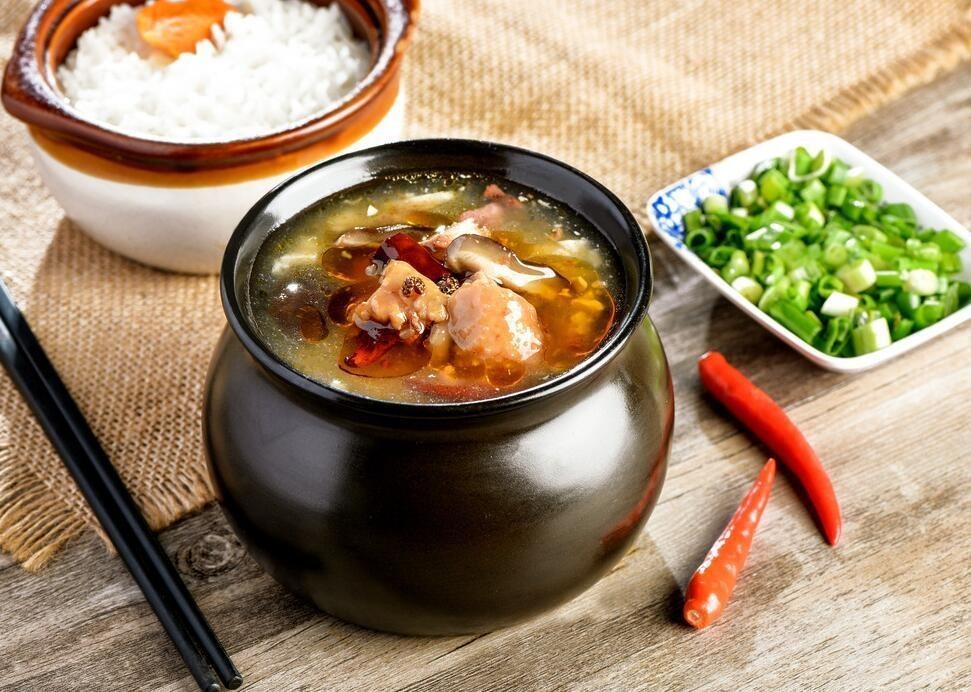
- Clay Pot Soup
- Steamed Dumplings
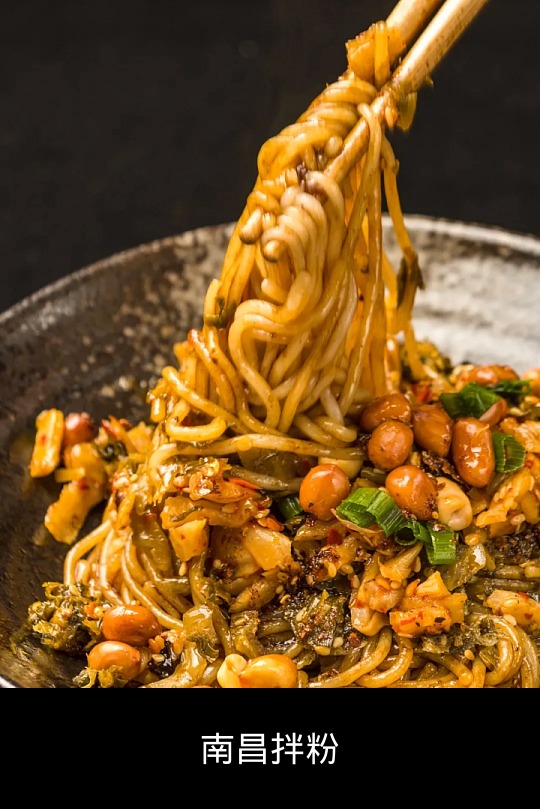
- Jiangxi Rice Noodles
- Fresh Local Bread
Morning:
Visit the elegant Xinghua Tower Garden, then walk just five minutes to Youmin Temple, a thousand-year-old Buddhist temple hidden among the bustling city streets.
Continue to Bayi Square, one of Nanchang's most important landmarks, before visiting the nearby Jiangxi Provincial Art Museum. If you enjoy art exhibitions, allow yourself plenty of time here.
Afternoon:
Take a relaxing stroll through People's Park, then visit the peaceful Wenquan Zen Temple, famous for its beautiful gardens, pavilions, and photogenic scenery.
End the day at Shengjin Pagoda, one of Nanchang's oldest historical monuments dating back to the Tang Dynasty. The narrow streets around the eastern gate offer excellent photo opportunities where ancient architecture meets the modern skyline.
Dinner Recommendation:
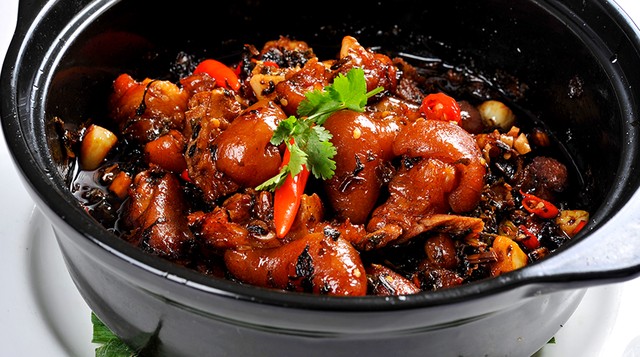
Enjoy authentic Jiangxi cuisine at Yuhe Renjia Restaurant beside the Yu Dai River. Popular signature dishes include braised chicken feet and pear meatball soup.
Day 4 – Museums & Wetlands
Morning:
Spend several hours exploring the Jiangxi Provincial Museum. The second and third floors display many of the province's most valuable treasures, including bronze artifacts, ancient ceramics, and cultural relics from the Haihunhou archaeological site.
Afternoon:
Finish your trip
Updated:2026-09-28 16:18:37


What souvenirs represent Jiangxi culture to buy in Nanchang?
Reply: Jingdezhen porcelain tea sets and bamboo handicrafts are popular choices.
Is public transport convenient for tourists in Nanchang?
Reply: Buses and subway cover most scenic spots in urban Nanchang.
What time does Tengwang Pavilion close every day?
Reply: The opening hours usually end at 18:00, and night view visits have separate time arrangements.
Can I travel from Nanchang to Lushan Mountain within one day?
Reply: A one-day trip is available, but it will be tight. Staying one night at Lushan is more relaxing.
Where is the best walking street for shopping in Nanchang?
Reply: Shengli Road Walking Street is the most bustling commercial pedestrian street in the city.
Is there English introduction inside Tengwang Pavilion?
Reply: Audio guide service with English version is available for foreign visitors.
When can I see migratory birds at Poyang Lake?
Reply: The best bird watching season is from late November to next February every year.
What local food specialties can I taste in Nanchang?
Reply: Nanchang stir-fried rice noodles and mixed soup are must-try traditional dishes.
How far is Poyang Lake from Nanchang city center?
Reply: It takes around 1.5 to 2 hours by car from downtown to the viewing area of Poyang Lake.
What is the ticket price for the Tengwang Pavilion?
Reply: You can check the latest ticket price on official platforms. Students can enjoy discounted tickets.